The Chancellor speaks for about an hour, the opposition responds for half that, and by the evening everyone has a verdict. Somewhere in the middle of it all are a handful of decisions that will change what lands in your bank account. If you have ever watched a fiscal event and quietly wondered what "headroom" means, or why the debt figure keeps being mentioned, here is a way to read one properly. The speech is the trailer. The numbers are in the documents.
What the Chancellor is actually measuring
Two words cause most of the confusion: deficit and debt. The deficit is the gap between what the government spends and what it collects in tax in a single year — the amount it has to borrow. Debt is the pile built up from every year of borrowing, and interest is paid on it. So a Chancellor can promise to bring borrowing down while debt keeps rising. That is not a trick; it is arithmetic.
Then come the fiscal rules: targets the government sets for itself so that markets and voters can judge it. A typical rule says debt must be falling as a share of national income by a set date, often five years away. Because that date rolls forward each time, the goalposts move with it. This is why you hear the word "headroom" — the margin between the current forecast and the rule being met. A comfortable margin leaves room for tax cuts or extra spending. A thin one means a modest economic shock could break the rule, and money has to be found elsewhere.
Six terms that unlock the rest of the speech
- The OBR. The Office for Budget Responsibility produces the forecasts behind the numbers. Its report is published alongside the speech and is usually refreshingly honest about what it cannot know.
- Real terms versus cash terms. Cash terms are the actual pounds. Real terms adjust for inflation. A spending rise of 3 per cent is a cut if prices are climbing faster than that.
- Resource versus capital spending. Resource spending pays for the day-to-day running of services — salaries, medicines, school supplies. Capital spending builds things: roads, hospitals, rail. Cutting one is not the same as cutting the other.
- Fiscal drag. Freezing a tax threshold while wages rise quietly pulls more people into higher tax and takes a bigger share of pay. It raises money without any announced tax rise.
- Uprating. The annual increase in benefits, pensions and some thresholds. Watch whether it follows inflation, earnings, or something less generous.
- Distributional analysis. A table showing how the measures affect households at different income levels. Dry, and often the most revealing document published all day.
Where your household finances actually sit
Most of the money that matters to you is decided by thresholds and rates rather than headlines: income tax bands and the personal allowance, National Insurance, the rates on dividends and savings, capital gains and inheritance tax, fuel and alcohol duty, the minimum wage, benefits and pensions, and the allowances on ISAs and pension pots. Look for the date each change begins, because plenty start in April and a few start immediately.
Some things in the news are not really the Chancellor's to decide. Council tax is set by your local authority within national rules. Energy bills are shaped by the price cap set by the regulator, Ofgem. Interest rates are the Bank of England's job. If a headline ties one of those to the statement, read it twice.
Read the documents, not the commentary
The speech is written to be quoted, and it leaves things out. The Treasury publishes a full document alongside it — commonly called the Red Book — plus the OBR's forecasts, a policy costings table setting out what each measure raises or costs, and a distributional analysis. Download the Red Book and search it for the words that apply to you: "threshold", "allowance", "uprating", "duty", "national insurance". It takes ten minutes and beats scrolling through reactions.
A measure announced as new money is often money that was already planned. Ask what has changed compared with the previous forecast, not what the total is.
A fifteen-minute routine for the night itself
- Skim the speech only to note the handful of measures aimed at households.
- Open the policy costings table and find the largest items. That shows what the Chancellor really cares about.
- Check the dates: what applies from April, what comes next year, and what is merely a consultation with no money attached.
- Read the distributional analysis to see where a household like yours sits.
- Look at the OBR's forecasts for inflation, wages and growth. If wages are expected to rise more slowly than prices, a tax cut can still leave you worse off in real terms.
- Note what was not mentioned. Silence on uprating, or on a freeze that was due to expire, is also a decision.
The week after: check your own numbers
Wait a day or two, then read the post-budget analysis from bodies such as the Institute for Fiscal Studies and the Resolution Foundation, which tend to spot the effects buried in the detail. Then do the boring bit. Find your latest payslip, check your tax code, and work out what the changes mean across a full year rather than a single month. If you receive benefits, confirm when uprating applies and whether any condition has changed. If you have a mortgage, remember the Budget does not set your rate — your lender and the markets do.
None of this is personal financial advice, and your circumstances are yours alone. If a change looks significant — pensions, inheritance, self-employment, benefits — speak to a regulated adviser, an accountant, or Citizens Advice before acting on a headline. A little caution costs far less than a rushed decision in April.
Read it all properly once a year and you will stop being surprised. The Chancellor's hour is a performance; the documents are where your money lives.
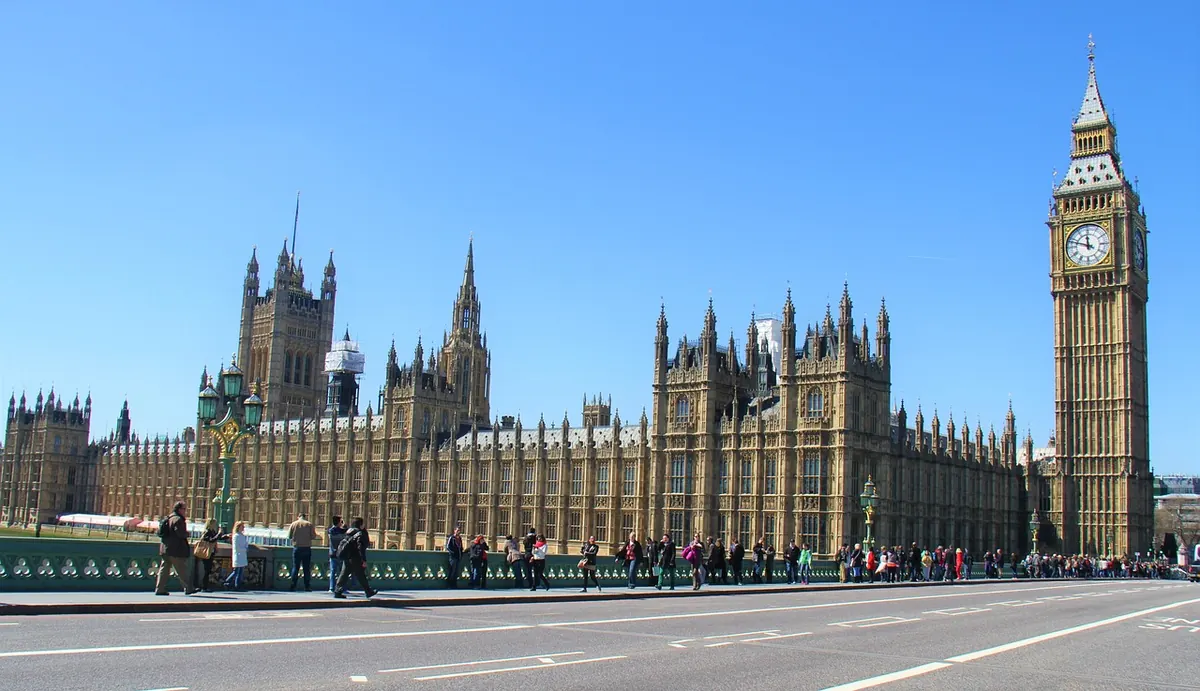
Photo: bidyutd / Pixabay